The Importance of Continuous Learning for Career Longevity
Understand the importance of continuous learning for career longevity. Stay relevant and adaptable in a changing job market.
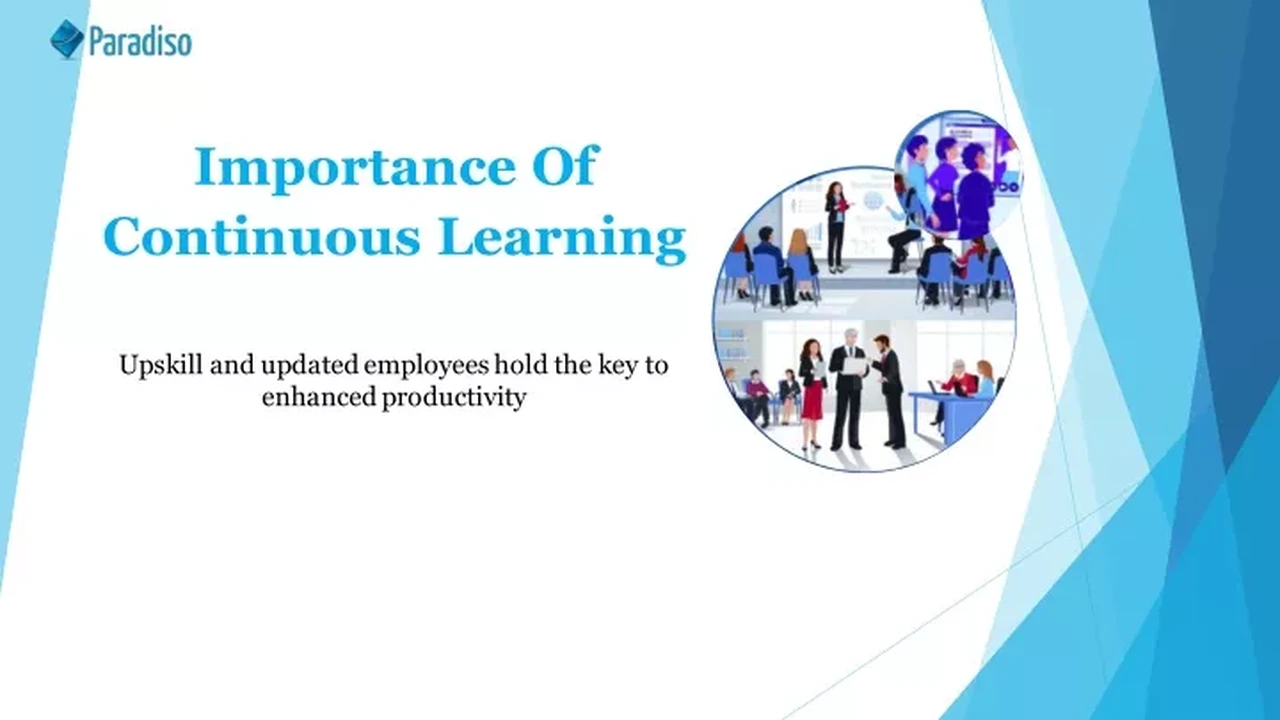
Understand the importance of continuous learning for career longevity. Stay relevant and adaptable in a changing job market.
The Importance of Continuous Learning for Career Longevity
Hey there! Let's chat about something super important for your career, no matter where you are in your journey: continuous learning. The world is changing at lightning speed, right? What was cutting-edge yesterday might be old news tomorrow. So, if you want to keep your career not just alive, but thriving for the long haul, embracing continuous learning isn't just a good idea – it's absolutely essential. Think of it as your career's lifeblood, keeping you fresh, relevant, and ready for whatever comes next.
Why Continuous Learning is Your Career's Best Friend in a Dynamic Job Market
You might be thinking, 'I already went to college, got my degree, isn't that enough?' Well, in today's dynamic job market, the answer is a resounding 'not quite.' The shelf life of skills is getting shorter and shorter. Industries are evolving, new technologies are emerging, and job roles are constantly being redefined. If you're not actively learning and adapting, you risk becoming obsolete. Continuous learning isn't just about acquiring new skills; it's about cultivating a mindset of growth, curiosity, and resilience. It's about staying ahead of the curve, or at least keeping pace with it, so you can seize new opportunities and navigate challenges with confidence. It also shows potential employers (and your current one!) that you're proactive, dedicated, and invested in your own professional development. That's a huge plus in anyone's book.
Staying Relevant and Adaptable The Core of Career Longevity
Let's break down what 'staying relevant' and 'adaptable' really mean in the context of your career. Staying relevant means your skills and knowledge are still valuable and in demand within your industry. If you're a marketer, are you up-to-date on the latest SEO algorithms or social media trends? If you're a software developer, are you familiar with the newest programming languages or frameworks? Adaptability, on the other hand, is your ability to adjust to new conditions. It's about being flexible, open to change, and capable of learning new ways of doing things. Imagine a company adopting a new project management methodology. An adaptable employee will quickly learn and integrate it, while someone resistant to change might struggle. Both relevance and adaptability are fueled by continuous learning. They're not just buzzwords; they're critical survival skills for your career in the 21st century.
The Benefits Beyond Just Keeping Your Job Professional Growth and Personal Fulfillment
While staying employed is a pretty good motivator, the benefits of continuous learning stretch far beyond just keeping your job. For starters, it opens doors to professional growth. New skills can lead to promotions, new roles, or even entirely new career paths you hadn't considered. It can also boost your earning potential significantly. Think about it: highly skilled individuals are often compensated better. But it's not all about the money. Continuous learning also brings immense personal fulfillment. There's a deep satisfaction that comes from mastering a new skill, understanding a complex topic, or solving a challenging problem. It keeps your mind sharp, prevents boredom, and can even improve your overall well-being. Plus, it expands your network as you connect with other learners and experts in new fields.
Practical Ways to Embrace Continuous Learning Online Platforms and Resources
Alright, so you're convinced! But how do you actually do it? The good news is, in this digital age, continuous learning has never been more accessible. Online platforms are your best friends here. They offer a vast ocean of knowledge, often at your fingertips and sometimes even for free. Let's dive into some of the best options out there, looking at their features, typical use cases, and even a rough idea of their cost.
Coursera Your Gateway to University-Level Courses and Specializations
What it is: Coursera partners with universities and companies worldwide to offer courses, specializations, and even degrees. You can find everything from introductory programming to advanced data science, business analytics, and creative arts.
Use Cases: Perfect if you're looking for structured learning, want to earn recognized certificates or even a full degree, and appreciate academic rigor. Great for career changers or those looking to deepen expertise in a specific field.
Features: Video lectures, quizzes, peer-graded assignments, discussion forums, and often capstone projects. Many courses offer financial aid.
Pricing: Individual courses can range from $49 to $99. Specializations (a series of courses) typically cost between $39 to $79 per month for a subscription, or a one-time payment for full access. Coursera Plus, an annual subscription, gives you unlimited access to most courses and specializations for about $399 per year. Some courses are free to audit.
edX Academic Excellence and Professional Programs
What it is: Similar to Coursera, edX is another leading MOOC (Massive Open Online Course) provider founded by Harvard and MIT. It offers high-quality courses from top universities and institutions globally, focusing on a wide range of subjects including computer science, engineering, business, and humanities.
Use Cases: Ideal for those seeking university-level education, professional development programs, or even MicroMasters and MicroBachelors programs that can count towards a degree. Strong emphasis on STEM fields.
Features: Interactive learning, video tutorials, graded assignments, and verified certificates. Many courses are available for free in audit mode.
Pricing: Verified certificates for individual courses usually range from $50 to $300. Professional programs and MicroMasters can cost anywhere from $500 to several thousand dollars, depending on the program length and depth.
Udemy Practical Skills for Every Niche
What it is: Udemy is a massive online learning marketplace with thousands of courses taught by independent instructors. You'll find courses on almost anything imaginable, from web development and digital marketing to photography, music, and personal development.
Use Cases: Best for acquiring practical, job-specific skills quickly. If you need to learn a new software, a specific coding language, or a marketing tactic, Udemy likely has a course for it. Great for self-paced, on-demand learning.
Features: Video lectures, downloadable resources, practice exercises, and a certificate of completion. Courses are often project-based.
Pricing: Courses are typically purchased individually, with prices ranging from $10 to $200, but Udemy is famous for its frequent sales where courses can be bought for as little as $10-$15. They also offer a business plan for teams.
Skillshare Creative Skills and Community Learning
What it is: Skillshare focuses heavily on creative skills, design, illustration, photography, writing, and entrepreneurship. It's a subscription-based platform where you can access thousands of classes taught by industry professionals.
Use Cases: Perfect for creatives, freelancers, and entrepreneurs looking to hone their craft, learn new software (like Adobe Creative Suite), or get inspired. Strong community aspect with project sharing.
Features: Short, bite-sized video lessons, project-based learning, and a strong community where you can share your work and get feedback.
Pricing: Skillshare operates on a subscription model, typically around $14-$19 per month, or a discounted annual plan (around $99-$168 per year). They often offer free trial periods.
LinkedIn Learning Professional Development and Business Skills
What it is: Formerly Lynda.com, LinkedIn Learning offers a vast library of video courses taught by industry experts, primarily focused on business, technology, and creative skills. It's integrated with LinkedIn profiles, allowing you to easily display completed courses.
Use Cases: Excellent for professionals looking to upgrade their business acumen, learn new software, or develop leadership and soft skills. Great for corporate training and individual career advancement.
Features: High-quality video tutorials, exercise files, quizzes, and learning paths that guide you through a series of courses. Certificates of completion can be added directly to your LinkedIn profile.
Pricing: Subscription-based, usually around $29.99 per month or $19.99 per month if billed annually. They often offer a free one-month trial.
MasterClass Learn from the Best
What it is: MasterClass offers online classes taught by world-renowned experts in their respective fields. Think Gordon Ramsay teaching cooking, Serena Williams teaching tennis, or Neil Gaiman teaching storytelling.
Use Cases: While not always directly career-focused in the traditional sense, MasterClass is fantastic for inspiration, gaining insights from top performers, and developing creative or strategic thinking. It's more about learning the 'how' and 'why' from masters.
Features: Beautifully produced video lessons, workbooks, and community discussions. The production quality is exceptionally high.
Pricing: An all-access pass costs $180 per year, giving you unlimited access to all classes.
Beyond Formal Courses Free Resources and Community Learning
Don't forget that continuous learning isn't just about paid courses! There's a wealth of free resources out there that can be incredibly valuable:
- YouTube: An endless source of tutorials, lectures, and how-to guides on virtually any topic.
- Blogs and Industry Publications: Stay updated on trends and best practices in your field.
- Podcasts: Learn on the go, listening to interviews with experts or deep dives into specific subjects.
- Public Libraries: Many offer free access to online learning platforms like LinkedIn Learning or even e-books and audiobooks.
- OpenCourseWare (OCW): Universities like MIT offer free access to course materials, lectures, and assignments.
- Community Forums and Social Media Groups: Engage with peers, ask questions, and learn from collective experience.
Making Continuous Learning a Habit Strategies for Success
So, how do you actually integrate continuous learning into your already busy life? It's all about making it a habit. Here are a few strategies:
- Set Clear Goals: What do you want to learn and why? Having a clear objective will keep you motivated.
- Schedule It: Treat learning like any other important appointment. Block out time in your calendar, even if it's just 30 minutes a few times a week.
- Start Small: Don't try to learn everything at once. Pick one course or one skill and focus on it.
- Be Consistent: Little and often is more effective than sporadic, intense bursts.
- Apply What You Learn: The best way to solidify new knowledge is to put it into practice. Work on a side project, volunteer your new skills, or apply them in your current job.
- Find a Learning Buddy: Learning with someone else can provide accountability and make the process more enjoyable.
- Track Your Progress: Seeing how far you've come can be a huge motivator.
Embracing continuous learning isn't just about surviving in the modern job market; it's about thriving. It's about opening yourself up to new possibilities, staying intellectually stimulated, and building a career that's not only long-lasting but also deeply rewarding. So, what are you waiting for? Your next learning adventure awaits!
:max_bytes(150000):strip_icc()/277019-baked-pork-chops-with-cream-of-mushroom-soup-DDMFS-beauty-4x3-BG-7505-5762b731cf30447d9cbbbbbf387beafa.jpg)